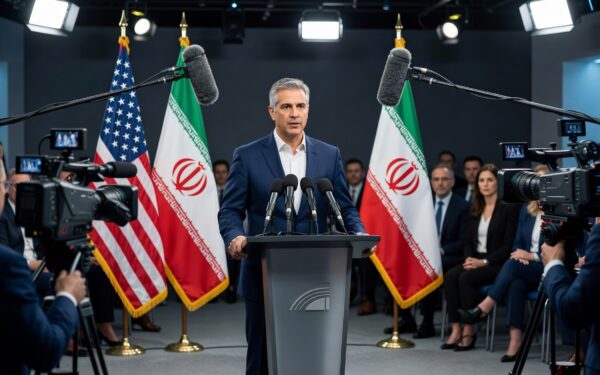
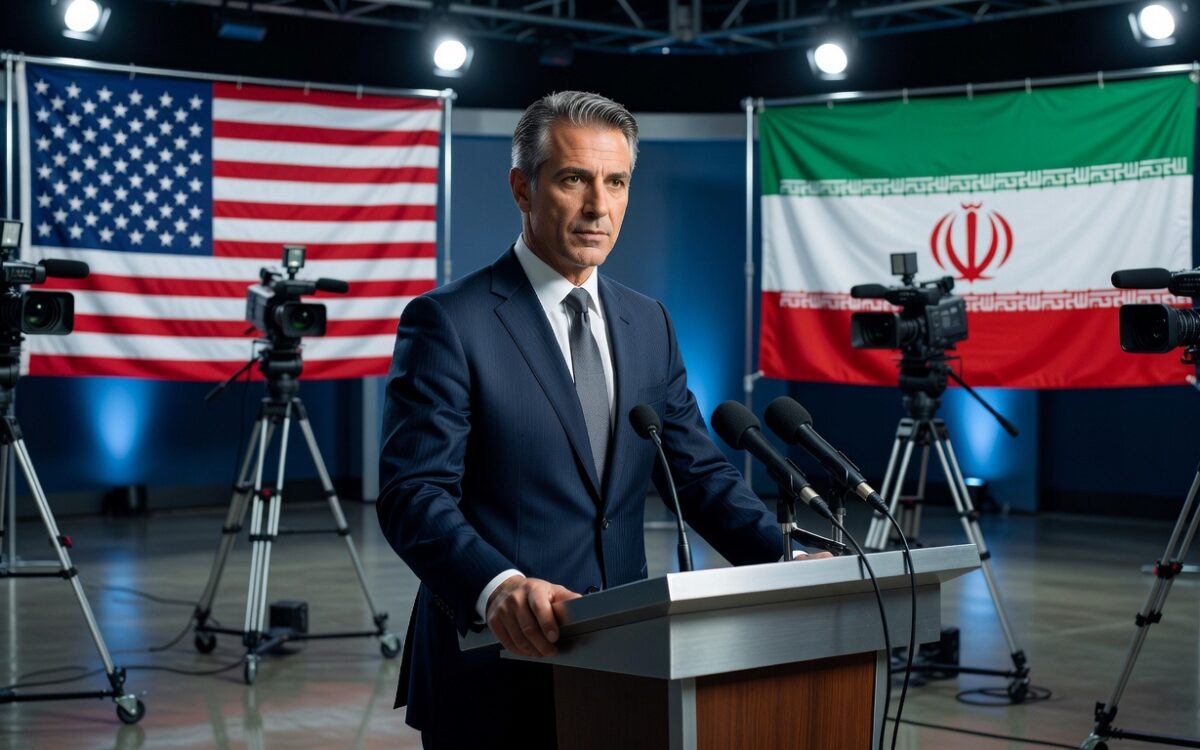
In 1953, the CIA-orchestrated Operation Ajax toppled Iran’s democratically elected Prime Minister Mohammad Mossadegh, installing Shah Mohammad Reza Pahlavi and securing Western oil interests. This covert intervention ignited the historical roots of America-Iran tensions shaping peace talks today. Decades later, as of May 2026, these deep-seated grievances continue to influence negotiations amid nuclear concerns and regional proxy conflicts.
Early 20th-Century Foundations of U.S.-Iran Hostility
The U.S.-Iran rift traces back to oil politics in the early 1900s. British and American companies dominated Iran’s Anglo-Iranian Oil Company, controlling 85% of profits while Iran received minimal royalties, according to declassified U.S. State Department records.
Mossadegh’s 1951 nationalization of oil fields threatened these interests. The U.S. feared Soviet influence, prompting the 1953 coup. Historian Ervand Abrahamian notes in his book A History of Modern Iran that this event “planted the seeds of anti-Americanism” enduring for generations.
Key Events Sparking Initial Distrust
- 1919 Anglo-Persian Agreement: Gave Britain de facto control over Iran’s resources.
- 1946 Azerbaijan Crisis: U.S. pressure forced Soviet withdrawal, but Iran viewed it as superpower meddling.
- 1953 Coup: CIA spent $1 million, per CIA documents, to overthrow Mossadegh.
These actions framed the U.S. as an imperial power in Iranian eyes, a narrative central to peace talks.
The 1979 Revolution and Hostage Crisis as Turning Points
The Shah’s U.S.-backed regime fueled resentment, leading to the 1979 Islamic Revolution. Ayatollah Khomeini’s return from exile marked the end of monarchy and birth of the Islamic Republic.
That November, Iranian students seized the U.S. Embassy in Tehran, holding 52 Americans hostage for 444 days. President Jimmy Carter’s failed rescue mission deepened mutual animosity. A 2023 Council on Foreign Relations report cites this as “the defining rupture” in bilateral ties.
“The hostage crisis transformed U.S. policy from engagement to isolation,” states Ray Takeyh, senior fellow at the Council on Foreign Relations.
This era birthed Iran’s “Death to America” chants, echoing in current diplomatic standoffs.
Immediate Repercussions on Diplomacy
- U.S. severed ties, labeling Iran a state sponsor of terrorism.
- Algiers Accords (1981) freed hostages but failed to restore relations.
- Iran-Iraq War (1980-1988): U.S. tilted toward Iraq, providing intelligence that enabled chemical attacks killing 100,000 Iranians, per Human Rights Watch.
Cold War Proxy Conflicts Amplifying Tensions
During the 1980s, U.S. support for Iraq under Saddam Hussein intensified Iran’s isolation. The 1988 USS Vincennes incident, where the U.S. Navy shot down Iran Air Flight 655, killing 290 civilians, remains a flashpoint. Iran’s government calls it a deliberate act, while the U.S. deemed it a mistake.
Expert Vali Nasr, author of The Shia Revival, argues this “cemented Iran’s view of America as an existential threat.” By 2026, these memories shape Iran’s insistence on sovereignty in peace talks.
In legal negotiations in global disputes, historical grievances often mirror these patterns, prolonging resolutions.
Arms and Sanctions Escalation
| Event | U.S. Action | Iranian Response |
|---|---|---|
| 1983 Beirut Bombings | Blamed Iran-backed Hezbollah | Denial, vowed retaliation |
| 1986 Iran-Contra Affair | Secret arms sales exposed | Propaganda victory for hardliners |
| 1995 Sanctions | Full trade embargo | Nuclear program acceleration |
Nuclear Program and Sanctions as Modern Flashpoints
Iran’s nuclear ambitions, revealed in 2002, escalated tensions. The U.S. accused Iran of weaponization; Iran claims peaceful intent. IAEA reports from 2026 confirm Iran enriched uranium to 60% purity, near weapons-grade.
The 2015 Joint Comprehensive Plan of Action (JCPOA) curbed Iran’s program in exchange for sanctions relief. President Trump withdrew in 2018, reimposing “maximum pressure.” By May 2026, indirect talks in Oman stall over enforcement disputes.
“Historical mistrust dooms technical agreements without political trust,” warns Suzanne Maloney of the Brookings Institution.
Statistics show impact: U.S. sanctions cut Iran’s oil exports from 2.5 million barrels/day pre-2018 to under 500,000 by 2026, per U.S. Energy Information Administration data.
Regional Proxy Wars Influencing Peace Dynamics
U.S.-Iran clashes play out via proxies. In Iraq, post-2003 U.S. invasion empowered Iran-backed militias. Syria’s civil war saw U.S. support for rebels clashing with Iranian forces aiding Assad.
Yemen’s Houthi rebels, Iran-armed, attack Saudi and U.S. assets. A 2026 International Crisis Group report estimates 377,000 Yemen deaths, attributing 40% indirectly to proxy escalations.
Israeli strikes on Iranian targets in Syria, with tacit U.S. backing, add layers. These conflicts harden positions, as seen in stalled Gaza ceasefire talks tied to Iran.
Comparative Proxy Engagements
- Iraq: Iran controls 60% of Shia militias (per U.S. Central Command).
- Lebanon: Hezbollah arsenal grew 5x since 2006 (Israeli intelligence).
- Syria: Iran deployed 3,000 advisors (UN estimates).
Like intricate drama unfolding across chapters, these wars prolong the core narrative of distrust.
Current State of America-Iran Peace Talks in 2026
As of May 2026, Vienna talks revive JCPOA amid Iran’s presidential transition post-Raisi’s 2024 death. U.S. demands include missile curbs; Iran seeks full sanctions lift. Progress halts over “snapback” sanctions threats.
A Carnegie Endowment analysis predicts 20% chance of deal by year-end, citing election-year U.S. politics. Iran’s economy shrinks 5% annually under sanctions, per IMF 2026 forecast, pressuring compromise.
Quantum computing advancements, as explored in AI’s quantum edge, could model negotiation scenarios, offering data-driven paths forward.
Expert Perspectives and Diverse Viewpoints
Optimists like former diplomat Wendy Sherman argue history enables breakthroughs: “Shared interests in stability trump grievances.”
Pessimists, including Iranian analyst Karim Sadjadpour, warn: “Decades of deception make trust impossible without regime change.”
Pros and Cons of Renewed Engagement
| Pros | Cons |
|---|---|
| Reduces nuclear risk (IAEA: 90% enrichment averted) | Rewards aggression (U.S. hawks) |
| Boosts global oil supply (2M bpd potential) | Emboldens proxies (Israel fears) |
| Path to broader ME peace | Domestic U.S. opposition (polls: 60% against, Pew 2026) |
Future Predictions and Pathways to Resolution
Emerging trends point to indirect talks via Gulf states. A 2026 RAND Corporation study forecasts de-escalation if U.S. offers phased sanctions relief tied to verifiable nuclear caps.
Real-world example: The 2023 Saudi-Iran deal brokered by China shows multipolar diplomacy’s rise. Predictions include 50% likelihood of limited JCPOA revival by 2027, per expert consensus at Atlantic Council.
Addressing historical roots—via acknowledgments like Biden’s 2021 coup reference—could unlock progress.
Conclusion: Navigating Tensions Toward Sustainable Peace
The historical roots of America-Iran tensions shaping peace talks demand reckoning with 1953’s legacy, hostage scars, and proxy battles. Key takeaways: Prioritize trust-building, leverage economic incentives, and engage multilaterally.
Stakeholders must act decisively in 2026 to avert escalation. For deeper insights into global affairs, explore our innovative approaches to complex systems.