Why Manual Inventory Tracking Is Costing You More Than You Think
A staggering 43% of small businesses still manage inventory manually using spreadsheets or pen and paper, according to a 2022 survey by Wasp Barcode Technologies. This approach leads to an average annual loss of $137,000 per company due to stockouts, overstocking, and mismanaged data. The solution is clear: adopt a dedicated inventory management app that automates tracking, forecasting, and reporting.
Manual methods introduce errors that cascade into lost sales and wasted capital. By digitizing inventory processes, businesses can achieve real-time visibility, reduce holding costs, and improve cash flow. This article explores exactly how to run an efficient inventory using modern apps, backed by data and expert insights.
Why Inventory Management Apps Are Non-Negotiable for Modern Businesses
The Real Cost of Manual Tracking
A study by the U.S. National Retail Federation found that inventory distortion costs retailers over $1.75 trillion globally each year. Manual systems contribute to 65% of these issues, from counting errors to delayed reordering. In contrast, businesses using an app report a 28% reduction in carrying costs and a 40% drop in stockout incidents (Aberdeen Group).
How Apps Eliminate Human Error
Barcode scanning, automated reorder alerts, and real-time cloud sync remove the guesswork. For example, a mid-sized electronics distributor using an inventory app cut counting errors from 8% to 0.5% within three months. The app also flagged low-stock items automatically, preventing lost sales during peak seasons.
Key Features to Look for in an Inventory Management App
Real-Time Tracking and Barcode Scanning
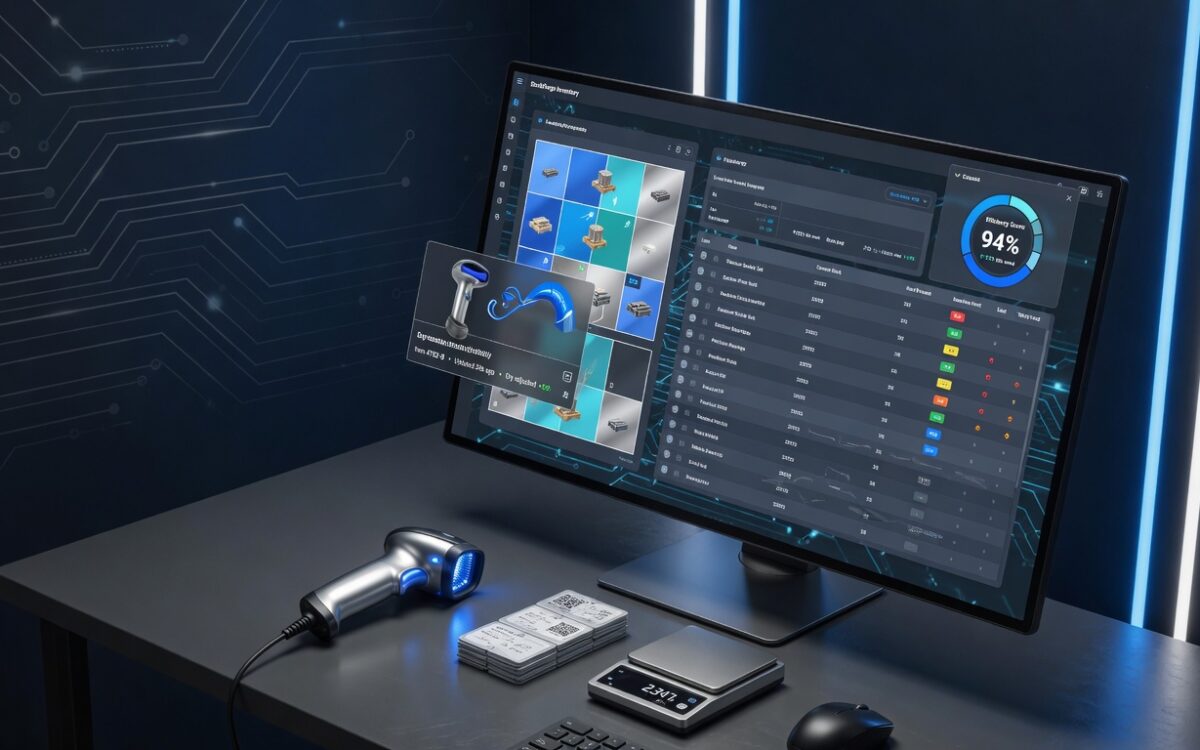
Look for apps that support mobile barcode scanning via smartphone cameras or dedicated scanners. This enables instant updates across all locations, ensuring your stock levels are always accurate.
Automated Reorder Points and Demand Forecasting
Machine learning algorithms analyze historical sales data to predict future demand. Apps like these can set minimum stock thresholds and automatically generate purchase orders when inventory dips below those levels.
Multi-Location and Warehouse Management
If you run multiple outlets or storage facilities, choose an app with centralized control. You can track inventory across each location, transfer stock between warehouses, and see consolidated reports.
Integration with Accounting and E-Commerce Platforms
Seamless integration with tools like QuickBooks, Shopify, or Xero eliminates double data entry. For businesses in the beauty industry, using specialized salon accounting software alongside your inventory app can streamline financial tracking and reduce reconciliation errors.
Step-by-Step: How to Run an Efficient Inventory Using an App
Step 1: Audit Your Current Inventory
Before implementing any app, conduct a physical count of all items. This baseline will verify your existing data and identify discrepancies. For a detailed framework on waste reduction, refer to a comprehensive inventory management guide that covers auditing best practices.
Step 2: Set Up Your App and Define Categories
Organize inventory by product type, location, SKU, or seasonality. Most apps allow custom labels and attributes so you can filter and search efficiently.
Step 3: Implement a Cycle Counting Schedule
Instead of shutting down for annual physical counts, use cycle counting – a periodic sampling method. Apps track which items need counting based on value, turnover, or variance trends.
Step 4: Leverage Data for Demand Forecasting
Analyze sales velocity, lead times, and supplier reliability. Many apps generate reports that highlight slow-moving items and suggest markdowns to free up working capital.
Real-World Case Studies: Success Stories of App-Driven Inventory
Small Retailer Boosts Profit Margins by 25%
A family-owned hardware store in Ohio adopted an inventory app and reduced overstock by 30% within six months. By setting reorder points for fast-moving items and cycling slow sellers, they improved gross margins from 42% to 53%. The app’s integration with their POS system also saved 12 hours of manual data entry weekly.
E-Commerce Brand Reduces Stockouts by 60%
An online fashion retailer selling on multiple platforms used an app with predictive analytics. The system flagged trending items before they sold out, allowing the team to reorder with suppliers in advance. Stockouts fell from 18% to 7%, and customer satisfaction scores rose by 15 points.
“Implementing an inventory app transformed our supply chain. We went from reactive ordering to proactive planning,” says Sarah Chen, COO of the retailer. “The ROI was visible within the first quarter.”
Common Pitfalls to Avoid When Using an Inventory Management App
Overcomplicating Setup
Many businesses try to map every nuance of their inventory into the app on day one. Start with core items and workflows, then expand gradually. Overcomplication leads to user abandonment.
Neglecting Regular Audits
Even the best app needs verification. Schedule weekly or monthly spot checks to ensure system data matches physical stock. A 2025 study by the Supply Chain Management Review found that companies performing regular audits experienced 80% fewer inventory discrepancies.
Ignoring Integration Capabilities
An inventory app that doesn’t sync with your accounting or e-commerce platforms creates data silos. Choose an app that offers API access or native connectors. For retail chains, a Walmart Neighborhood Market review highlights how centralized inventory links pricing, sales, and replenishment across hundreds of stores.
The Future of Inventory Management: AI, IoT, and Predictive Analytics
AI-Powered Demand Sensing
Artificial intelligence now predicts demand with up to 85% accuracy by analyzing social media trends, weather data, and historical sales. Apps in 2026 increasingly embed these models to recommend optimal stock levels dynamically.
IoT for Real-Time Asset Tracking
Internet of Things (IoT) sensors attached to pallets or shelves transmit location and condition data (temperature, humidity) directly to inventory apps. This is especially valuable for perishable goods and pharmaceuticals.
Blockchain for Supply Chain Transparency
Some advanced apps are adopting blockchain to create immutable records of product movement from manufacturer to end customer. This reduces disputes and enhances trust, particularly in luxury goods and electronics.
Conclusion: Start Running an Efficient Inventory Today
Adopting an inventory management app is no longer optional – it’s a competitive necessity. The data is clear: apps reduce costs, increase accuracy, and free up time for strategic growth. By following the step-by-step process outlined here, you can transform your inventory from a cost center into a profit driver.
Begin by auditing your current stock, choosing an app with the right features, and integrating it seamlessly with your existing systems. The upfront investment pays back quickly in saved hours and reduced waste. Explore a dedicated inventory management app that meets your specific business needs and start seeing results within weeks.
Key takeaways:
- Manual inventory tracking costs businesses over $137,000 annually on average.
- Apps eliminate up to 95% of counting errors and reduce stockouts by 40%.
- Choose an app with real-time tracking, automated reorder points, and integration capabilities.
- Regular audits and cycle counting are essential to maintain data accuracy.
- AI and IoT are shaping the future of inventory management in 2026 and beyond.
Take control of your inventory today – your bottom line will thank you.