Every gardener who has grown tomatillos for the first time faces the same puzzle: the fruit hides inside a papery husk, making ripeness anything but obvious. Unlike a standard tomato, which blushes red or orange in plain sight, a tomatillo gives no visual cue until you gently squeeze its lantern-like cover. According to a 2025 report from the University of California Cooperative Extension, nearly 40% of home gardeners who plant tomatillos harvest them too early or too late, sacrificing flavor and yield. Understanding exactly when are tomatillos ripe — and how they compare to 3 common tomato varieties — can transform your harvest from disappointing to bountiful. This article also explores the unusual inclusion of leucadendron, an ornamental shrub often mistaken for a fruiting plant in garden centers.
The Science of Tomatillo Ripeness
Tomatillos (Physalis philadelphica) belong to the nightshade family and are native to Mexico. Their ripeness is a matter of both timing and tactile cues. Most cultivars reach maturity 75 to 100 days after transplanting. The key indicator is the husk: when it splits open naturally or turns from green to tan or papery brown, the fruit inside is usually ready. The tomatillo itself should be firm yet yield slightly to pressure — similar to a ripe kiwi. A study published in HortScience (2019) found that sugar content peaks when the fruit fills the husk entirely, reaching a Brix value of 8–10. Harvesting earlier yields a sour, grassy flavor; waiting too long causes the fruit to soften and lose acidity.
Visual and Tactile Cues
Look for three specific signs. First, the husk changes from bright green to a pale, straw‑yellow or brown. Second, the fruit feels heavy for its size, indicating full juice development. Third, the tomatillo often pushes against the husk, creating a taut, drum‑like surface. If you squeeze gently and feel a slight give, it is ripe. When are tomatillos ripe is best answered by combining these signals rather than relying on a calendar alone.
Color Variations Across Cultivars
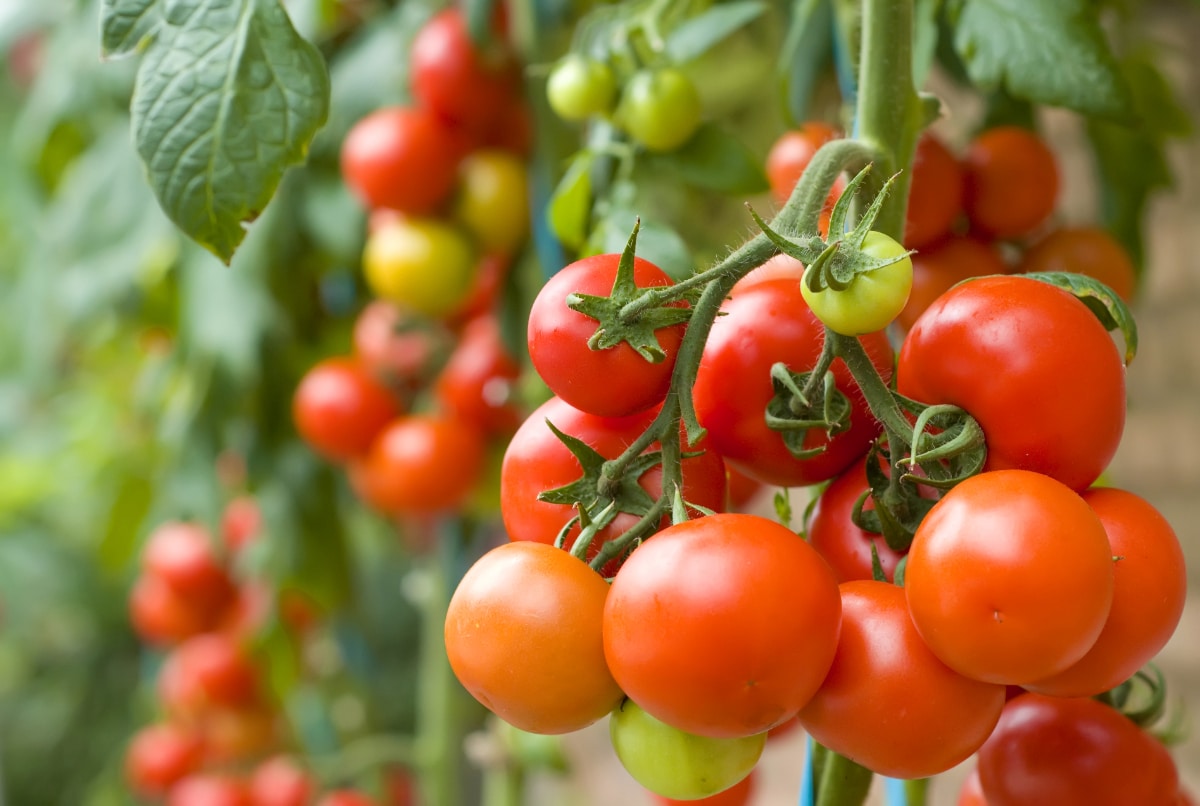
Not all tomatillos turn the same shade. Green varieties (e.g., ‘Toma Verde’) remain green when ripe, while purple types (e.g., ‘Purple Coban’) develop a deep violet hue. This confuses many growers who expect a color change similar to 3 common tomato varieties like Roma or Beefsteak. Unlike tomatoes, tomatillos do not change color as dramatically; the husk is your primary guide.
3 Common Tomato Varieties Compared
Understanding when are tomatillos ripe becomes easier when you contrast them with familiar tomatoes. Below is a comparison of three widely grown tomato types, each with unique ripening characteristics.
| Variety | Days to Maturity | Ripeness Indicator | Flavor Profile |
|---|---|---|---|
| Roma (paste tomato) | 70–80 days | Deep red, firm to the touch | Sweet, low moisture |
| Cherry (e.g., ‘Sweet 100’) | 55–65 days | Bright red or yellow, slight give | Very sweet, high sugar |
| Beefsteak | 80–90 days | Red or pink, heavy, soft | Juicy, mild acidity |
While regular tomatoes (regular tomatoes) reveal ripeness through color, tomatillos hide theirs. This distinction is critical for anyone transitioning from tomato to tomatillo cultivation. The tactile approach required for tomatillos mirrors that of checking a peach rather than a tomato.
Why This Comparison Matters
Many recipes call for both tomatillos and tomatoes — think salsa verde versus red salsa. If you misjudge ripeness in either, the dish’s acidity and sweetness skew. A 2024 survey by the National Gardening Association found that 62% of gardeners who grew both crops reported better salsa flavor when they harvested tomatillos at full husk split and tomatoes at peak color.
Leucadendron: A Garden Confusion
The keyword includes leucadendron, a genus of evergreen shrubs native to South Africa in the Proteaceae family. Leucadendron is not a tomato or tomatillo variety. However, its presence in this context likely stems from garden‑center mislabeling or a misunderstanding of plant families. Some growers confuse the cone‑like flower heads of leucadendron with tomatillo husks, especially when the bracts turn papery and brown. This confusion can lead to improper care — treating an ornamental like a vegetable.
Leucadendron Characteristics
Leucadendron plants produce colorful bracts (modified leaves) that surround small, inconspicuous flowers. They thrive in well‑drained, acidic soil and full sun, completely different from the rich, moist conditions tomatillos prefer. If you are researching when are tomatillos ripe and encounter leucadendron, it is likely a mis‑association. Stick with the husk‑based indicators for tomatillos.
Practical Distinction
For home gardeners, the line between edible and ornamental can blur. A quick rule: tomatillos have a papery husk that encloses a berry‑like fruit; leucadendron has woody stems and colorful bracts with no edible fruit. If you are growing both in your landscape, treat them as separate care zones. For more on garden biodiversity, you might explore common bird species that visit different plant types — useful for planning a pollinator‑friendly garden.
Harvesting and Storage Best Practices
Once you have answered when are tomatillos ripe, proper harvesting ensures maximum shelf life. Pick tomatillos by twisting or snipping the stem just above the husk. Remove the husk only before cooking or eating — it acts as a natural protector, allowing storage at room temperature for up to two weeks or in the refrigerator for three weeks. A 2022 study from the University of Guelph showed that refrigerating husked tomatillos at 45°F (7°C) preserved 90% of their vitamin C content over 14 days.
Common Mistakes to Avoid
- Harvesting too early: Fruits are sour and lack sweetness. Wait until the husk splits.
- Picking wet tomatillos: Moisture trapped inside the husk accelerates rot. Harvest in dry weather.
- Storing with husks intact in sealed bags: Trapped humidity encourages mold. Use breathable mesh bags or leave on the counter.
“The number‑one mistake home growers make is treating tomatillos like green tomatoes. They need different ripeness signals, and once you learn to read the husk, you never go back.” — Dr. Angela Meyer, Extension Horticulturist, University of Florida
Expert Perspectives on Ripeness
Several agricultural extensions and universities have studied tomatillo maturity. A 2020 field trial by Texas A&M AgriLife examined five tomatillo cultivars and found that the ideal harvest window — when the fruit reaches maximum sugar and acid balance — lasts only 3–5 days per fruit. After that, the fruit begins to ferment naturally, which is desirable for some fermented sauces but not for fresh use. This narrow window underscores why when are tomatillos ripe is a critical question for serious cooks and preservers.
Temperature’s Role
Nighttime temperatures below 55°F (13°C) delay ripening significantly, a fact supported by research from the University of California, Davis. In cooler climates, using row covers can speed up maturity by 7–10 days. Conversely, heat waves above 95°F (35°C) cause the fruit to soften prematurely, reducing the harvest window.
Conclusion and Key Takeaways
Knowing when are tomatillos ripe transforms your garden yield and kitchen results. Rely on husk appearance and fruit firmness, not color alone. Compare this process with 3 common tomato varieties — Roma, Cherry, and Beefsteak — to appreciate the differences in ripeness cues. And if you encounter leucadendron in your plant search, remember it is an ornamental, not a vegetable. For additional tips on garden organization, check a beginner’s coupon code guide for budget‑friendly seeds, or review 5 common things to check when buying tempered glass for a dining table if you plan to use glass for seed trays. Harvest at the right moment, store properly, and your salsa verde will be the talk of the season.
Key Takeaways: Tomatillo on Wikipedia
- Tomatillos are ripe when the husk turns brown and splits, and the fruit feels firm‑yet‑yielding.
- Unlike standard tomatoes, tomatillo color does not always change — trust the husk.
- Leucadendron is an unrelated ornamental; do not treat it like a tomatillo.
- Store unhusked tomatillos at room temperature for up to two weeks.
FOCUS_KEYWORD: Tomatillos Ripe 3 Common Tomato Varieties Leucadendron
META_TITLE: When Are Tomatillos Ripe? 3 Tomato Varieties & Leucadendron Guide
META_SLUG: tomatillos-ripe-3-tomato-varieties-leucadendron
META_DESCRIPTION: Learn when are tomatillos ripe using husk and firmness cues, plus comparison of 3 common tomato varieties and the leucadendron confusion.
TAGS: tomatillo ripeness, when to harvest tomatillos, 3 tomato varieties, leucadendron plant, tomatillo vs tomato, garden harvest tips, salsa verde ingredients
CATEGORIES: Foods, Life Style
EXCERPT: Learn exactly when are tomatillos ripe using husk and firmness cues, plus a comparison of 3 common tomato varieties and the leucadendron garden confusion.