

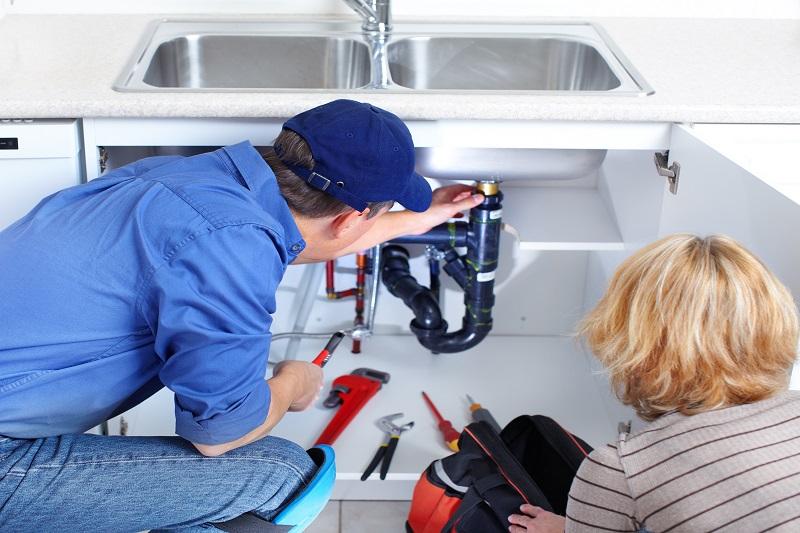
A staggering 85% of homeowners have experienced a plumbing emergency in the past five years, yet nearly half admit they don’t have a trusted plumber on speed dial. When a pipe bursts or a toilet overflows at 2 a.m., panic often overrides logic, leading to costly mistakes. Finding a qualified professional before disaster strikes isn’t just convenient—it can save you thousands of dollars and weeks of stress. Whether you’re dealing with a minor leak or a major renovation, knowing A Few Tips To Find The Right & A Suitable Plumber transforms a daunting search into a straightforward process.
The plumbing industry is vast, with over 130,000 plumbing businesses operating across the United States alone. Yet according to a 2025 survey by Angi, 68% of homeowners reported being overcharged at least once due to hiring an unlicensed contractor. The key to avoiding this pitfall lies in preparation, verification, and asking the right questions. This guide distills expert advice from master plumbers, consumer protection agencies, and industry data into actionable steps.
Why Credentials and Licensing Matter More Than You Think
Every state and many local municipalities require plumbers to hold specific licenses. These credentials aren’t just paperwork—they represent years of training, exams, and ongoing education. A licensed plumber has demonstrated knowledge of building codes, safety protocols, and proper techniques. Unlicensed workers may offer lower rates, but they also carry higher risks: shoddy work, code violations, and liability issues.
The U.S. Bureau of Labor Statistics reports that plumbers earn a median annual wage of $61,550, but rates vary widely by region and specialization. When vetting candidates, always ask for their license number and verify it through your state’s licensing board. A plumber must be experienced and qualified to handle your specific issue—general handymen often lack the specialized training for complex systems.
“The biggest mistake homeowners make is hiring based solely on price,” says Mark Johnson, a master plumber with 30 years of experience and author of The Homeowner’s Plumbing Handbook. “A low bid often means corners will be cut, and you’ll pay more in repairs later.”
How to Research and Shortlist Potential Plumbers
Start by asking neighbors, friends, and local hardware store staff for recommendations. Word-of-mouth referrals remain the most reliable source—according to a 2026 BrightLocal study, 92% of consumers trust recommendations from people they know over online reviews. However, online platforms like Google Reviews, Yelp, and the Better Business Bureau provide additional layers of verification.
When scanning reviews, look beyond the star rating. Pay attention to comments about punctuality, cleanliness, communication, and whether the plumber explained the problem clearly. A pattern of complaints about hidden fees or unfinished projects is a red flag. Create a shortlist of three to five candidates, then move to the interview phase.
Questions to Ask Before Hiring
- Are you licensed and insured? (Verify both liability insurance and workers’ compensation.)
- Do you provide a written estimate before starting work?
- Can you provide references from recent similar jobs?
- What is your policy on unexpected issues or price changes?
- Do you offer a warranty on parts and labor?
A reputable plumber will answer these questions without hesitation. If they dodge or give vague answers, cross them off your list. Remember, a professional business will stand behind its work—check the company’s reputation through the business will section of our site for more guidance on vetting service providers.
The Critical Role of Insurance and Liability Protection
Plumbing work involves risk—water damage, fire from faulty soldering, or injury to workers. If a plumber isn’t insured, you could be held financially responsible for accidents on your property. According to the Insurance Information Institute, the average water damage claim costs homeowners $11,650. Hiring an uninsured plumber multiplies that risk exponentially.
Request proof of insurance directly from the plumber’s provider, not just a certificate from the plumber. Call the insurance company to verify the policy is active and covers the type of work you need. General liability insurance should cover property damage, while workers’ compensation protects you if a worker is injured on your property.
Comparing Estimates: What to Look For
Get at least three written estimates for any project over $500. A detailed estimate should include:
| Component | What to Check |
|---|---|
| Labor costs | Hourly rate vs. flat fee; number of hours estimated |
| Materials | Brand, model, and quantity of parts |
| Permits | Whether permit fees are included |
| Warranty | Length of coverage on labor and parts |
| Payment schedule | Deposit required (shouldn’t exceed 10-20%) |
Beware of estimates that are significantly lower than others—they may omit essential steps or use substandard materials. A 2025 report by Consumer Reports found that homeowners who chose the lowest bid paid an average of 40% more in follow-up repairs within two years.
Red Flags to Watch For During the Hiring Process
Certain behaviors should immediately disqualify a plumber:
- Asking for full payment upfront
- Refusing to provide a written contract
- Pressuring you to make a decision immediately
- Using unmarked vehicles or no uniform
- Claiming to be “licensed” but unable to produce a license number
Trust your instincts. If something feels off, it probably is. The plumbing industry is regulated for a reason—protecting consumers from unscrupulous operators. Taking the time to vet candidates thoroughly can prevent headaches later.
Real-World Case Study: The Cost of a Bad Hire
In 2024, a family in Austin, Texas hired an unlicensed handyman to replace a water heater. The handyman incorrectly installed the pressure relief valve, causing the tank to rupture three weeks later. The resulting flood damaged flooring, drywall, and personal belongings—total repair costs exceeded $18,000. The handyman had no insurance and disappeared when contacted. The family’s homeowner’s insurance denied the claim because the work was performed without a permit by an unlicensed individual.
This scenario is alarmingly common. The Insurance Information Institute reports that unlicensed contractor-related claims cost U.S. homeowners over $2 billion annually. Hiring a licensed, insured plumber from the start would have cost a few hundred dollars more but saved tens of thousands.
Emerging Trends in Plumbing Services (2026 and Beyond)
The plumbing industry is evolving rapidly. Smart home technology now integrates with plumbing systems—leak detection sensors, automatic shut-off valves, and Wi-Fi-enabled water heaters are becoming standard. Many modern plumbers offer video pipe inspection using small cameras, allowing precise diagnosis without destructive digging. Additionally, green plumbing practices—low-flow fixtures, tankless water heaters, and greywater recycling—are in high demand.
When choosing a plumber, ask if they stay current with these technologies. A plumber who invests in ongoing training and modern equipment is likely to provide more accurate and efficient service. The Plumbing-Heating-Cooling Contractors Association (PHCC) reports that 74% of plumbing companies now offer some form of smart home integration services.
Final Steps: Making Your Decision
After you’ve gathered estimates, checked licenses, and reviewed references, trust the combination of data and intuition. Choose the plumber who communicates clearly, provides a fair price, and demonstrates genuine expertise. Remember that the cheapest option rarely is in the long run. For more insights on selecting reliable service providers, check out our guide on choosing quality products and services—the same principles apply to finding a trustworthy plumber.
Also, consider the value of preventative maintenance. Just as you might brighten your home with proper lighting, maintaining your plumbing system prevents emergencies. Scheduling annual inspections with a qualified plumber can catch small issues before they become disasters.
In a world where water damage is one of the most common and costly home insurance claims, investing time in finding the right professional is not just smart—it’s essential. The few hours you spend vetting candidates today can protect your home, your finances, and your peace of mind for years to come.
Key Takeaways:
- Always verify licensing and insurance before hiring
- Get multiple written estimates and compare line items
- Beware of red flags like upfront payment demands or pressure tactics
- Prioritize plumbers who stay current with technology and training
- Word-of-mouth referrals combined with online research offer the best results
Now that you have A Few Tips To Find The Right & A Suitable Plumber, put them into action. Start your search today—before the next emergency strikes. plumber must be experienced and qualified


