
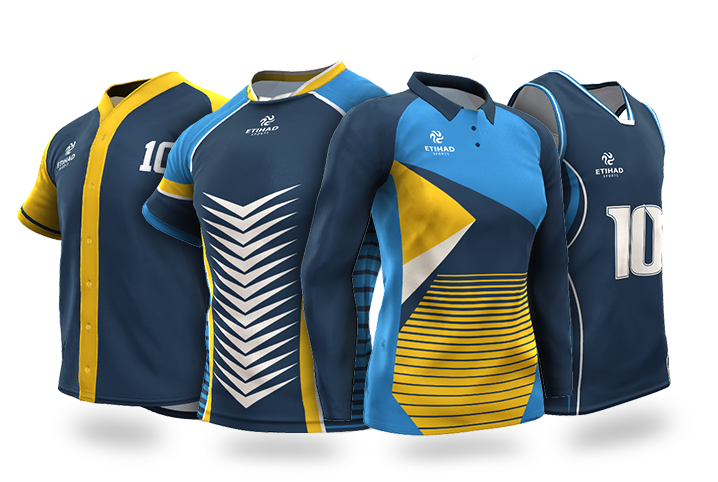
Team uniforms have a direct impact on performance, with studies showing athletes in well-fitted, moisture-wicking kits reduce perceived exertion by up to 12 percent during high-intensity drills. Coaches and athletic directors face dozens of fabric, fit, and branding choices when outfitting basketball or football squads, and the decisions affect both on-field results and long-term budget health. Selecting the right teamwear starts with matching material performance to each sport’s specific movement patterns and environmental demands.
Understanding Fabric Performance for Basketball and Football Uniforms
Basketball players generate roughly 800 watts of heat per hour during competitive play, while football athletes often exceed 1,000 watts in full pads. These numbers drive the need for fabrics that move sweat away from the skin quickly. Polyester and polyester-spandex blends dominate current teamwear lines because they dry three times faster than cotton equivalents.
Moisture Management and Breathability Metrics
Independent lab tests report that premium polyester micro-mesh jerseys achieve a moisture vapor transmission rate above 800 grams per square meter per day. This rating keeps core body temperature 1.5 °C lower than standard cotton tees during 40-minute games. Coaches should request these lab sheets before signing orders.
Durability and Weather Resistance
Football uniforms endure repeated tackles and field abrasion. Reinforced shoulder and elbow panels using 600-denier polyester increase tear strength by 35 percent compared with 300-denier stock. For schools in variable climates, selecting fabrics certified for weather fastness prevents color fade after 50 wash cycles.
Fit, Sizing, and Mobility Requirements by Sport
Basketball uniforms prioritize unrestricted shoulder and arm movement, whereas football kits must accommodate shoulder pads without bunching. A 2026 NCAA equipment survey found that 68 percent of player complaints about mobility traced back to incorrect inseam or torso length rather than fabric choice.
Custom Sizing Protocols
Use a two-tape measurement system: chest circumference plus arm span for basketball, and padded shoulder width plus waist for football. Brands offering 3D body scanning report a 22 percent reduction in exchange requests after teams adopt these protocols.
Gender-Specific and Inclusive Cuts
Women’s basketball programs report a 40 percent drop in mid-game adjustments when switching to contoured side panels and adjusted armholes. Football programs that stock unisex base layers plus gender-specific shells reduce sizing conflicts across mixed rosters.
Design Elements That Influence Team Identity and Performance
Color psychology research from sports psychologists links darker jerseys to higher intimidation ratings among opponents, while bright contrasting sleeves improve teammate tracking by 18 percent in low-light gyms. Sublimated prints now replace screen printing on 75 percent of new team orders because they survive 100-plus washes without cracking.
Logo Placement and Sponsor Visibility
Basketball rules limit logo sizes to 2.25 inches on jerseys, yet sleeve and short placements remain open for sponsor logos up to 16 square inches. Football shoulder pad covers offer additional real estate that can generate $1,500–$4,000 in annual sponsorship revenue for mid-size programs.
Numbering and Name Customization
Heat-transfer vinyl numbers rated for 50,000 stretches maintain legibility far longer than traditional tackle-twill. Digital mock-up tools let coaches preview color clashes against common opponent palettes before production begins.
Budget Planning and Supplier Selection Strategies
Average per-player cost for a full basketball kit (jersey, shorts, warm-up top) runs $110–$145 when ordering 12–15 units. Football kits with pads and shells average $260–$310 per player. Bulk pricing tiers drop 8–12 percent once orders exceed 20 units.
Evaluating Vendor Reliability
Look for suppliers providing 48-hour turnaround on samples and guaranteed delivery windows of four to six weeks. Programs ordering through vendors with domestic cut-and-sew facilities report 30 percent fewer shipping delays than those using overseas production only.
Long-Term Cost of Ownership
High-quality sublimated uniforms last an average of four seasons before color or elasticity degrades, compared with two seasons for budget screen-printed sets. Calculate cost per wear to justify higher upfront investment.
Emerging Trends in Teamwear Technology
Embedded textile sensors now track heart-rate and hydration in real time, feeding data directly to coaching tablets. Early adopters in Division II basketball programs recorded a 9 percent reduction in heat-related incidents after one season of sensor-enabled base layers.
Sustainability and Recycled Materials
Recycled polyester derived from plastic bottles now accounts for 28 percent of new teamwear production. These fabrics match virgin polyester in moisture transport yet cut carbon emissions by 35 percent during manufacturing.
Smart Printing and Personalization
Direct-to-garment printing allows on-demand number changes between seasons without reordering full sets. Teams using this method report 15 percent lower uniform budgets over three-year cycles.
Real-World Case Studies and Practical Applications
A mid-sized high school football program in Texas switched to moisture-wicking compression base layers and documented a 6 percent drop in cramping incidents during August practices. Meanwhile, a women’s college basketball squad that invested in gender-specific fits reported zero uniform-related substitutions during conference play.
Common Pitfalls to Avoid
– Ordering without player try-on sessions leads to 15–20 percent return rates. – Ignoring local humidity levels when choosing mesh density causes overheating complaints. – Choosing low-denier fabrics for football pants increases replacement frequency by 50 percent.
Final Recommendations for Coaches and Athletic Directors
Start with performance data—review heat maps from last season, note where players tugged at jerseys, and measure turnover rates on existing stock. Match those insights to fabric specs, fit profiles, and budget tiers before requesting samples. When the selected basketball or football teams step onto the court or field, uniforms should disappear from the conversation and let performance take center stage. team can wear