

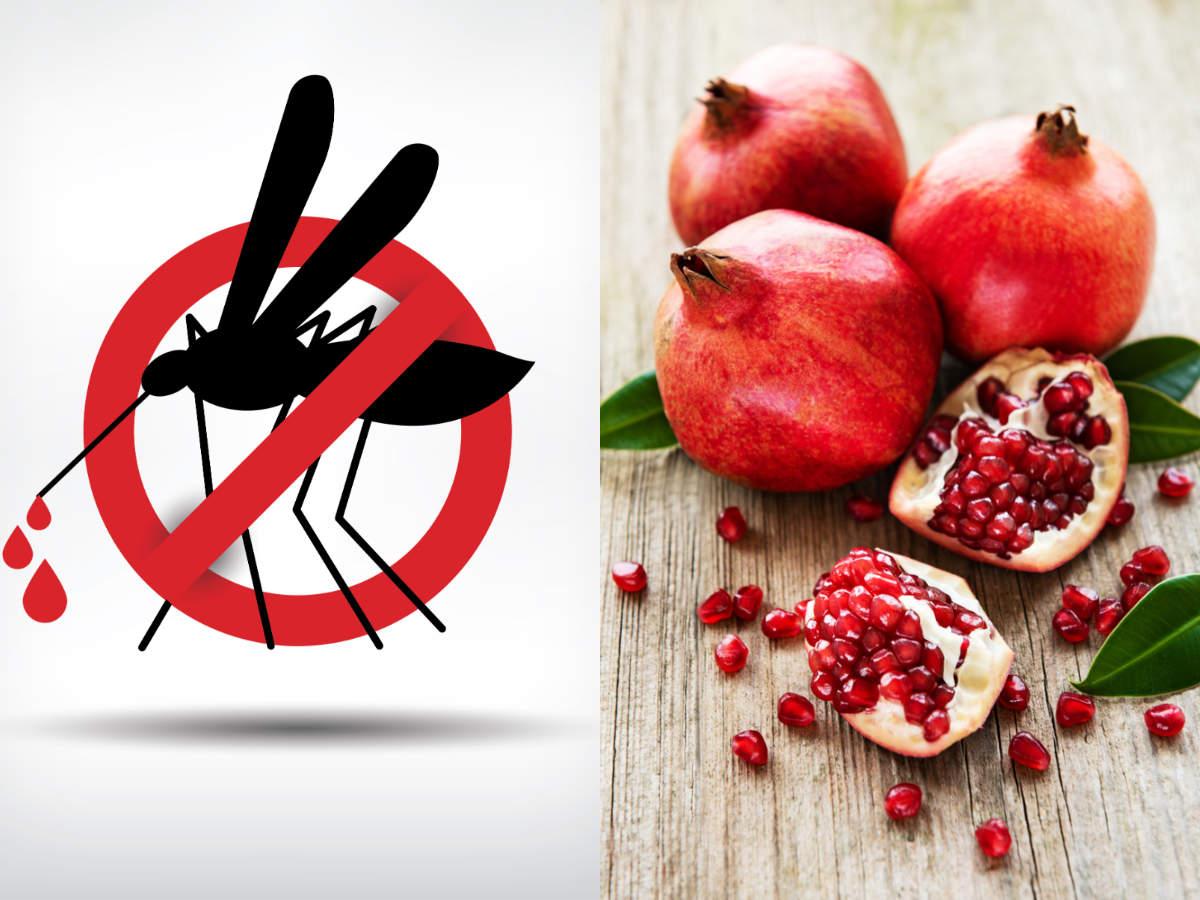
The Science Behind Dengue and Thrombocytopenia
Dengue fever, a mosquito-borne viral illness, affects millions globally each year. The World Health Organization estimates that 50-100 million infections occur annually. A hallmark complication is a sudden, dangerous drop in blood platelets, medically termed thrombocytopenia. This occurs because the dengue virus suppresses bone marrow activity and triggers the immune system to destroy circulating platelets prematurely.
Understanding platelet function is critical. Platelets are essential for blood clotting and preventing hemorrhage. When counts fall below normal, the risk of spontaneous bleeding, particularly in the gastrointestinal tract and skin, increases dramatically. Recognizing how to boost your platelet count to fight dengue fever can be a pivotal part of the recovery journey when combined with standard medical protocols.
What is a Normal Platelet Count vs. a Dangerous Level?
Monitoring platelet levels is a cornerstone of dengue management. A standard count ranges from 150,000 to 450,000 per microliter of blood. In severe dengue, this can plummet to under 20,000, a level requiring immediate hospital intervention.
| Platelet Level (per µL) | Status | Risk Level |
|---|---|---|
| 150,000 – 450,000 | Normal | Low |
| 50,000 – 149,999 | Moderate Drop | Monitor Closely |
| 20,000 – 49,999 | Severe Drop | High Bleeding Risk |
| Critical | Immediate Transfusion Needed |
When Medical Help Becomes Essential
While natural remedies and “how to boost your platelet count to fight dengue fever” guides are popular, they should never replace professional medical evaluation. In cases of severe bleeding or extremely low counts, platelet transfusion therapy becomes the standard, life-saving intervention. Transfusions are typically reserved for patients with active bleeding or counts below 10,000 to 20,000, as they carry their own risks, including allergic reactions and infections.
Daily monitoring through a Complete Blood Count (CBC) is non-negotiable. A rapid drop in platelets, especially when combined with a sudden rise in hematocrit (plasma leakage), signals the critical phase of the illness. Navigating complex health issues requires navigating detailed health guidelines for related systemic conditions, ensuring a holistic approach to patient safety.
Natural Dietary Approaches for Increasing Platelet Count
Medical experts widely agree that supportive nutrition plays a vital role in recovery. Research has increasingly focused on how specific foods and extracts can support bone marrow function and immune regulation. Implementing natural strategies to boost effectiveness in your diet can complement medical treatments.
The Role of Papaya Leaf Extract
Perhaps the most researched natural remedy for thrombocytopenia is papaya leaf extract. A study published in the *World Journal of Pharmaceutical Research* observed that patients given papaya leaf extract showed a significant increase in platelet count within 24 to 48 hours. Dr. Sanath Hettige, a prominent researcher in the field, stated,
“Carica papaya leaf extract demonstrates a potent ability to stabilize platelet membranes and stimulate megakaryocytes, the cells that produce platelets.”
Vitamin and Mineral Support for Platelet Production
Certain vitamins are essential for platelet health. These nutritional cofactors ensure the bone marrow has the necessary building blocks to regenerate.
- Vitamin C: Acts as an antioxidant and helps reduce capillary fragility. Sources include amla (Indian gooseberry), oranges, and kiwi.
- Vitamin D: Deficiency has been linked to increased severity of thrombocytopenia. Sunlight exposure and fortified foods are key.
- Iron and Zinc: Essential for cellular repair and enzyme function. Beetroot, pomegranate, and pumpkin seeds are excellent sources.
Rest and Hydration Protocols
Lifestyle management is equally crucial. The body’s energy is diverted to fighting the virus, meaning physical activity must be minimized.
Why Bed Rest is Non-Negotiable
Even mild exertion can increase blood pressure and the risk of bleeding from fragile vessels. Strict bed rest is recommended until the platelet count shows a consistent upward trend for at least 48 hours.
Optimal Hydration Strategies
Dehydration concentrates the blood, making platelet counts appear artificially low and stressing the kidneys. Oral Rehydration Salts (ORS), coconut water, and clear broths help maintain electrolyte balance. Monitoring urine color to ensure it remains pale yellow is a practical daily goal for patients.
Debates in Dengue Management: Steroids and Antibiotics
The medical community remains divided on certain interventions. A major pro/con debate exists around the use of corticosteroids to improve platelet counts.
| Intervention | Pros | Cons |
|---|---|---|
| Corticosteroids | Suppresses severe immune response; reduces inflammation. | No strong evidence for platelet recovery; increases risk of secondary infections. |
| Antibiotics | Treats secondary bacterial infections. | Ineffective against the dengue virus itself; can lead to resistance. |
| Platelet Transfusion | Immediate increase in count; prevents hemorrhage. | Risk of transfusion reaction; short-term benefit; limited supply. |
What’s on the Horizon for Dengue Treatment?
The landscape of dengue management is evolving rapidly. Vaccine development, specifically with TAK-003 (Qdenga), has expanded globally, offering hope for prevention. Furthermore, research into antiviral agents like JNJ-1802, which showed promising results in Phase 2 trials in 2024 and early 2026, aims to directly inhibit the virus, potentially reducing the incidence of severe thrombocytopenia. Experts predict that future treatment guidelines will move beyond supportive care to targeted antiviral therapies that prevent the drop in platelets altogether.
Conclusion
Boosting your platelet count to fight dengue fever requires a disciplined, multi-pronged approach. Immediate medical supervision for severe cases is irreplaceable, but supportive nutrition, strict hydration, and complete rest form the foundation of effective recovery. Monitor your lab results vigilantly, and if symptoms like bruising or bleeding appear, escalates care immediately.
For tailored advice on managing symptoms, you can consult an online doctor. If prescribed medications or supportive supplements are needed, utilizing a trusted online pharmacy in Pakistan ensures access to authentic products. The key takeaway is proactive vigilance combined with consistent supportive care.


